Curriculum.
What the curriculum looks like at Play Mountain Place, and how children shape it.
Curriculum
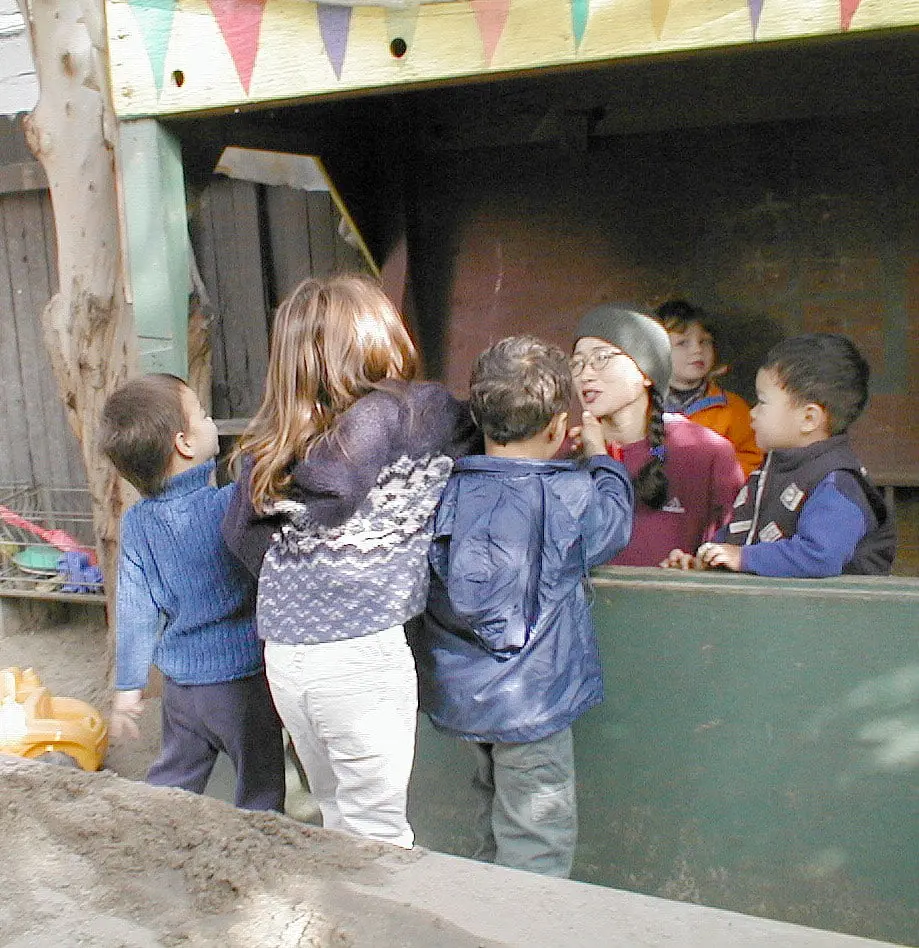
Every day in the program at Play Mountain Place, we witness our teachers tuning-in, respecting, seeing and celebrating life with their students.
Teachers give children freedom to be themselves, to inquire, to explore, to trust themselves, to make mistakes. Problems are met without judgment, and teachers guide children toward their own solutions. Curriculum grows out of children's interests, in many directions, at each child's pace. Teachers offer guidance only when there is a shared passion.
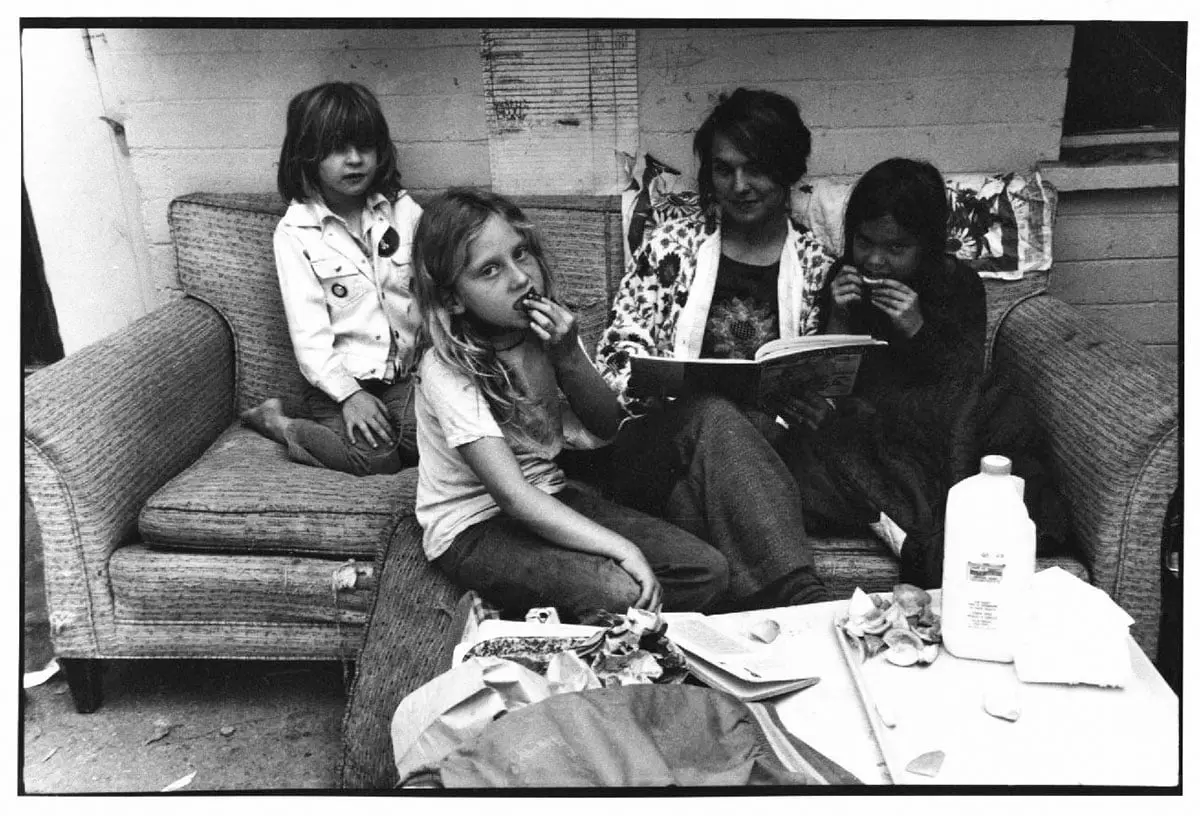
Many alumni children tell us they remember their teachers more like a family member, someone who was deeply involved in their lives, and as someone whose close personal relationship continues to inform them through life.
At an alumni panel, a former student said the adult support they got here still matters. Coming back or seeing teachers at an event, they still feel people who miss them. It is like hugging an aunt or uncle. Another said she lives close to her elementary teacher, and every time they meet, she makes sure she is OK. That caring never went away.
At Play Mountain Place, the learning process is child-directed. Children have control over the direction of their education and are at the center of their own learning process. Learning is bound to a child’s interest, and organically generated from that interest. Curriculum offerings by teachers are primarily “hands on,” experiential and developmentally appropriate for each age group. Our program is rich with opportunities, both child-initiated and teacher-offered, but all are choices, and no curriculum plans are compulsory.
Learning is a process, not a product. Children choose from child-led activities and teacher-offered curriculum, and nothing is compulsory. Skills in reading, writing, math, science and arts become the child's means to further learning, not ends in themselves. No rewards, punishments, grades or tests are used.
Anti-Bias Curriculum: Tools for Empowering Young Children
Louise Derman-Sparks and the A. B. C. Task Force wrote this influential book of suggestions for helping staff and children respect each other as individuals. It covers creating an anti-bias environment and learning about racial and cultural differences and similarities, disabilities, and gender identity. It also addresses resisting stereotyping and discriminatory behavior, and working with parents.
School Philosophy and Teacher Role
Play Mountain Place is a humanistic alternative school. Teachers listen well to children's feelings, help them find safe outlets, and model a non-authoritarian conflict resolution process that respects differences and empowers children to reach solutions by consensus and mutual agreements. They work in teams and closely with parents through parent education and support programs.
Nursery Teachers
When hiring teachers, Play Mountain Place looks for people who want to work with children ages 2 ½ to 6 and who are already experienced in this kind of program or very committed to this philosophy. Teaching experience and units in early childhood education are preferred.
What this looks like in practice
In a typical day, children choose what to do while teachers tune in. Teachers offer freedom to be themselves, to inquire, to explore, to trust themselves, to make mistakes and to have problems without judgment. When children discover a problem, teachers guide them to their own solutions. Curriculum grows from the children's interests.
The benefit shows up over time. Children keep their love of learning and creativity, build lasting relationships with teachers, and learn to trust their own choices. Teachers guide only when there is a truly shared passion. Parents can ask the school how settling in works and what to pack each day.