Children free to play and learn
A humanistic, child-directed school in Los Angeles for preschool and elementary children, since 1949.
How we see children
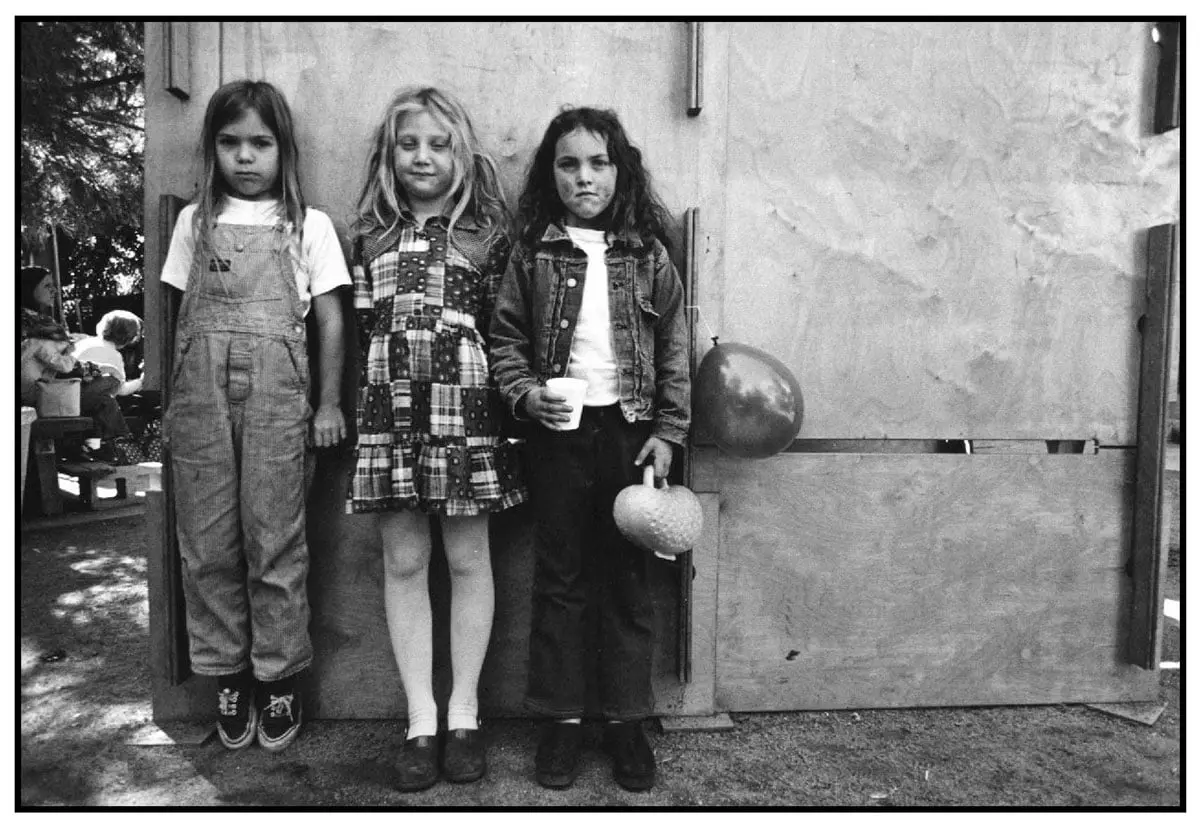
Play Mountain Place is a play-based, child-directed school. Children choose what to do, and adults do not run the room by command. The campus is primarily outdoors. Trees shade the yard, and children spend most of their day there, rain or shine. Since 1949 the school has offered a humanistic learning environment in Los Angeles, and it is one of the earliest humanistic alternative schools in the U. S.
Much of the day happens outdoors. The campus sits on a quiet street close to Ballona Creek, on the edge of Culver City, shaded by a canopy of trees. Children spend the majority of their days outside, rain or shine, playing on the spacious and historic grounds. Learning is experiential, and children choose what to do with their time rather than following a set of rewards, punishments, grades or tests.
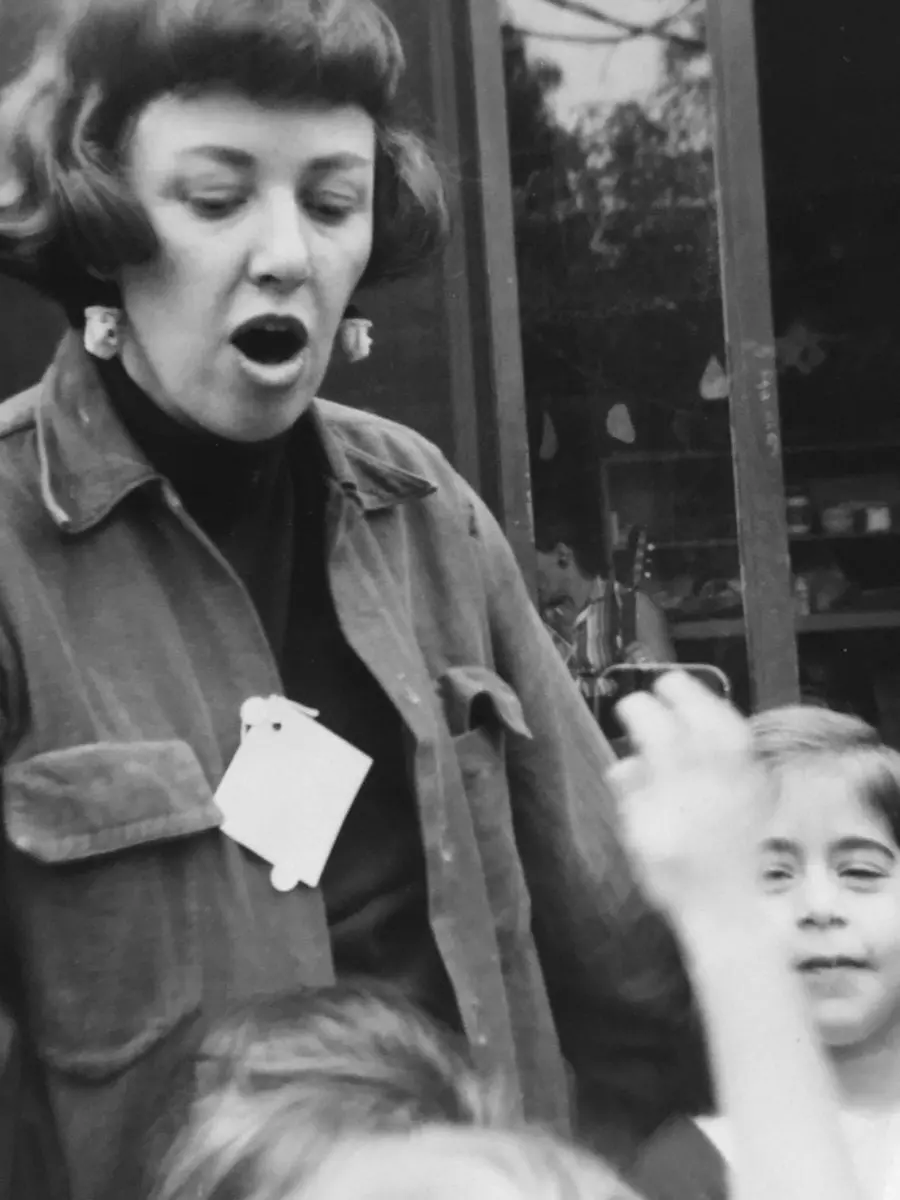
Run by Phyllis Fleishman, founder (implied by association with carl rogers and a.s. neill).
What you notice in practice
Teachers work at the child's level and follow the child's lead. Play is the work here, and children choose it themselves, whether they are in preschool or elementary. There are no rewards, punishments, grades or tests, so learning is not tied to coercion or anxiety. The goal is a humanistic environment where children are trusted to direct their own learning, in their own time.
The rooms and grounds are set up so children can move freely between activities, with the outdoors as the main setting. Children spend most of the day outside, rain or shine, on a campus shaded by trees on a quiet street near Ballona Creek. The pace follows the children rather than a bell. To see how this looks in person, ask about visiting.
How we work with families
At pickup, teachers tell you what your child did that day. Maybe they built a channel in the mud, settled a disagreement, or listened to a story under a tree. Parents often ask how children learn to read and write here; a teacher has written reflections on that question. The school also gives parents tools for respectful communication at home.
New families are welcomed into a long-standing community that has gathered for reunions, alumni panels, and events for decades, including a 50th anniversary celebration in 1999. The school's mission covers parents as well as children, with tools for respectful communication within families. For details on how the first weeks work for a new child — timing, visits, and what to bring — ask the school directly.